Protecting Children Online
With the start of another school year around the corner, children and young people across Saint-Léonard–Saint-Michel will once again be heading back to classrooms, reconnecting with friends, and settling into their routines. Today, those routines extend well beyond the classroom, with social media and online platforms playing an important role in how young people learn, communicate, and interact with the world around them.
While the digital world offers incredible opportunities, it can also expose children to serious and preventable harms. As parents, families, and communities, we have a responsibility to make sure children can navigate the online world safely.
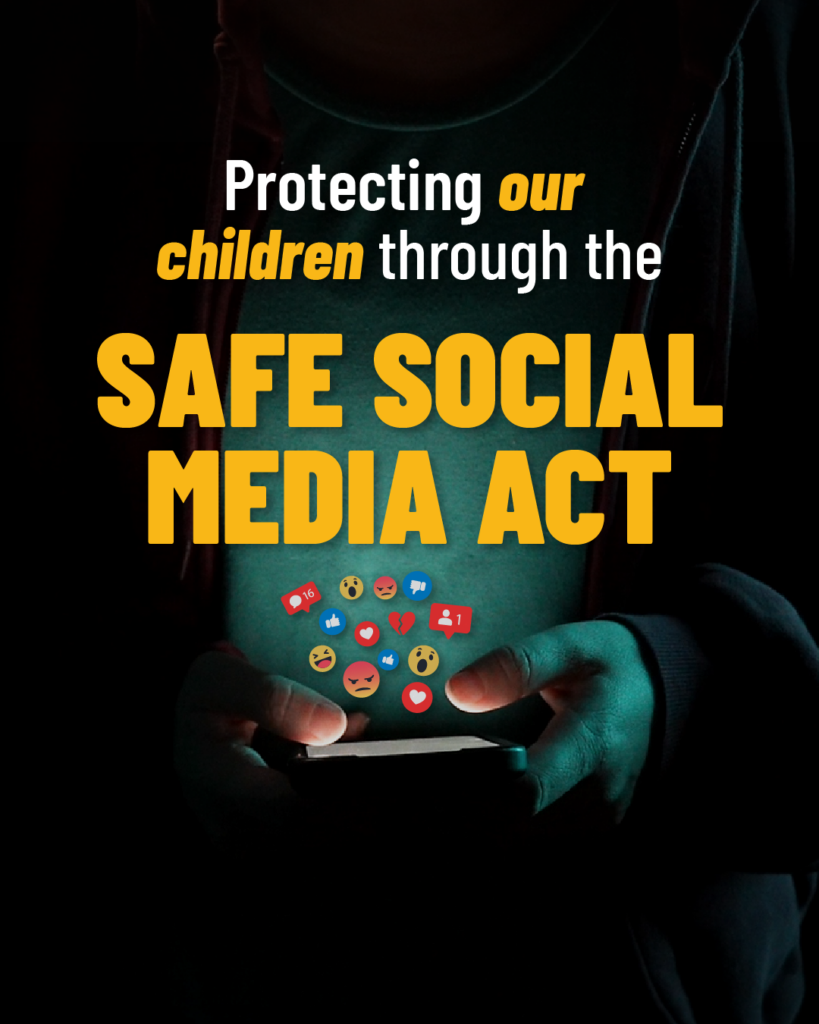
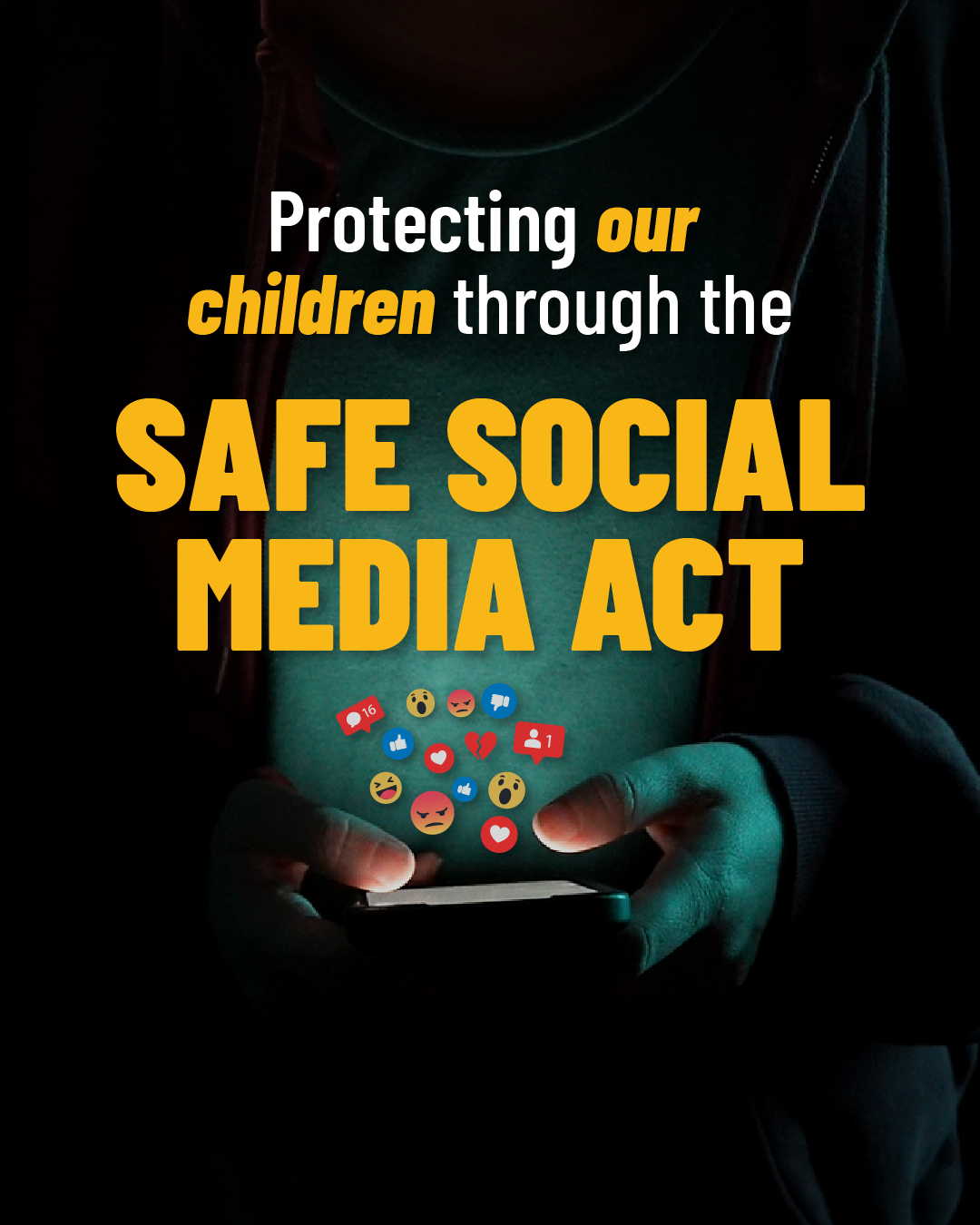
That is why our government has introduced the Safe Social Media Act, legislation designed to make social media platforms and AI chatbot services safer for children while holding companies accountable for the environments they create.
The proposed framework would require platforms to identify, mitigate, and address risks of harm and to design their services with children’s safety in mind. It is built around three core responsibilities: the Duty to Act Responsibly, the Duty to Protect Children, and the Duty to Make Certain Content Inaccessible.
The legislation would establish a minimum age of 16 for social media accounts, while allowing platforms to seek an exemption if they can demonstrate that they have implemented strong protections for children.
Platforms would also be required to provide tools such as blocking and reporting, label synthetic content, and rapidly remove the most serious forms of harmful content, including material that sexually victimizes children and non-consensually shared intimate content, including sexually explicit deepfakes.
As our children return to school, we must also make sure they are safe when they are online. The Safe Social Media Act is about putting children’s safety first, holding platforms accountable, and building digital spaces that are safer by design while respecting Canadians’ privacy.